
An1me: mecha and robot anime, and where to watch them
From Mazinger Z, Getter Robo and Grendizer to Mobile Suit Gundam, Macross and VOTOMS, from Patlabor and The Big O to Iron-Blooded Orphans, SSSS.GRIDMAN and The Witch from Mercury, and from Evangelion and Code Geass films to tokusatsu giants. Switch titles between English and Japanese, pick one and press Watch now.
Trending
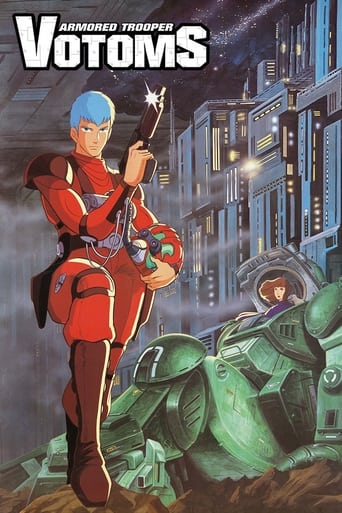 1Armored Trooper VOTOMS装甲騎兵ボトムズEp 52 · 1983
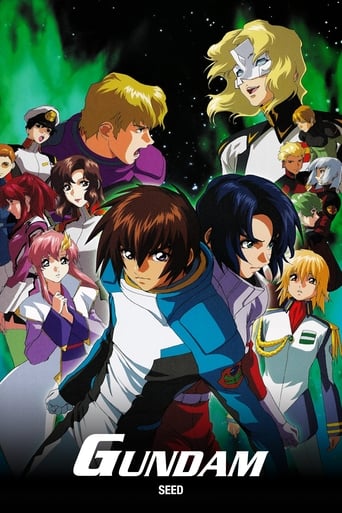 2Mobile Suit Gundam SEED機動戦士ガンダムSEEDEp 100 · 2002
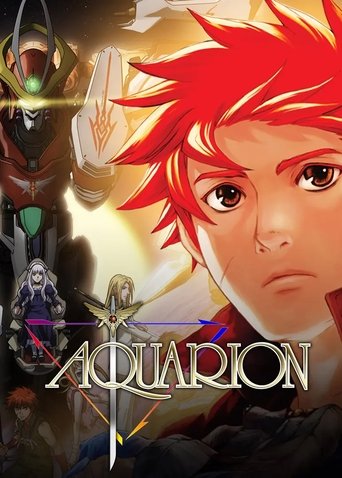 3AquarionアクエリオンEp 78 · 2005
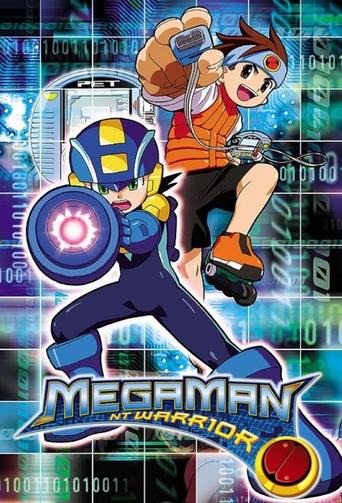 4MegaMan NT Warriorロックマン エグゼEp 209 · 2002
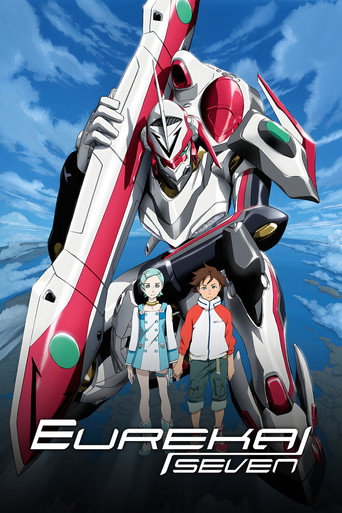 5Eureka Seven交響詩篇エウレカセブンEp 74 · 2005
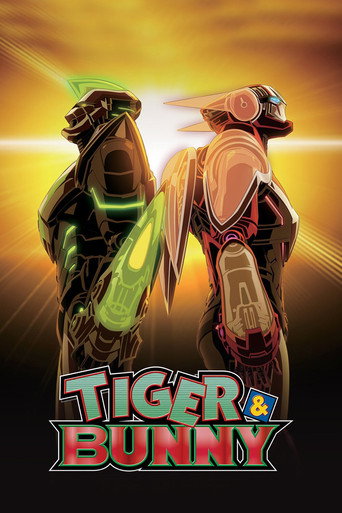 6TIGER & BUNNYTIGER & BUNNYEp 50 · 2011
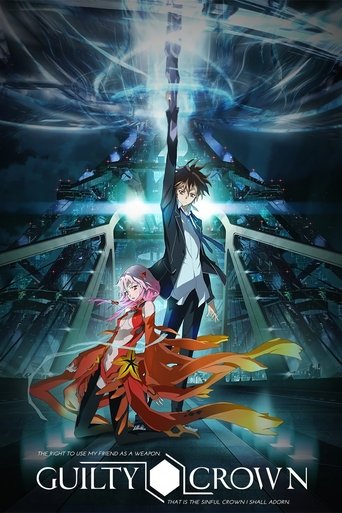 7Guilty CrownギルティクラウンEp 22 · 2011
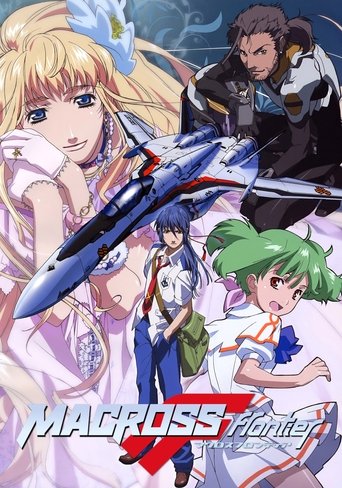 8Macross FrontierマクロスFEp 25 · 2008
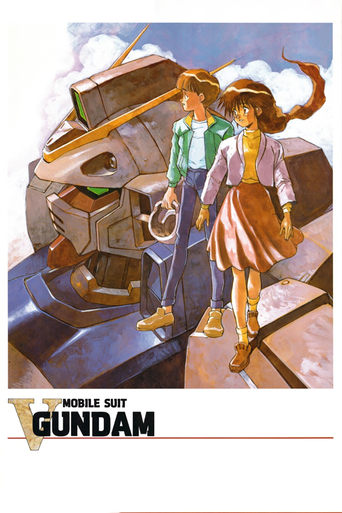 9Mobile Suit Victory Gundam機動戦士VガンダムEp 51 · 1993
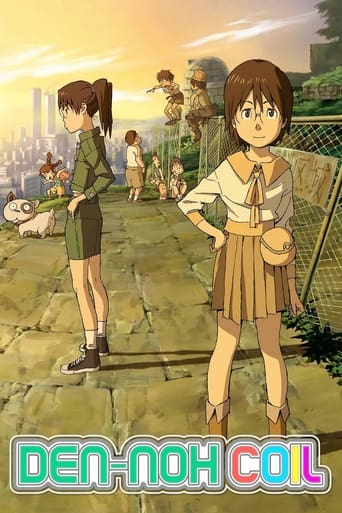 10Den-noh Coil電脳コイルEp 26 · 2007


Super robots
 AquarionアクエリオンTV · E 78 · 2005
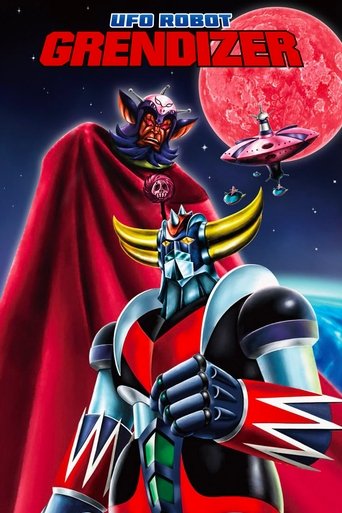
 UFO Robot GrendizerUFOロボグレンダイザーTV · E 74 · 1975
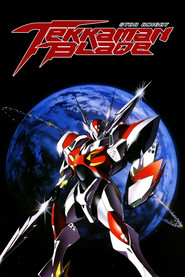 Tekkaman Blade宇宙の騎士テッカマンブレードTV · E 49 · 1992
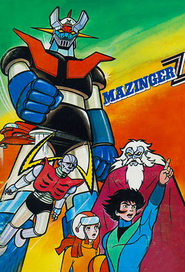 Mazinger ZマジンガーZTV · E 92 · 1972
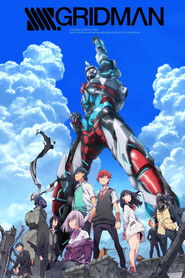 SSSS.GRIDMANSSSS.GRIDMANTV · E 12 · 2018
Real robots
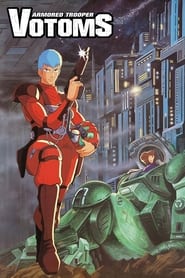 Armored Trooper VOTOMS装甲騎兵ボトムズTV · E 52 · 1983
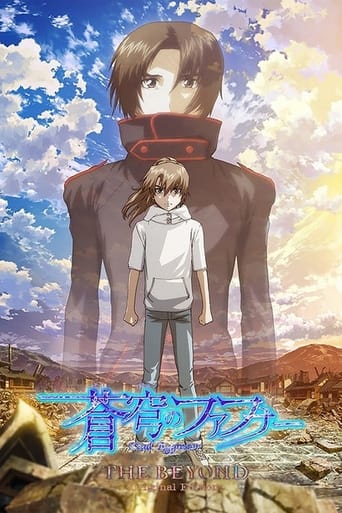
 Fafner: The Beyond蒼穹のファフナー THE BEYONDTV · E 12 · 2019
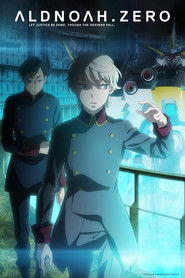 Aldnoah.Zeroアルドノア・ゼロTV · E 24 · 2014
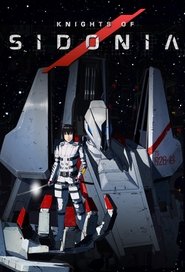 Knights of Sidoniaシドニアの騎士TV · E 24 · 2014
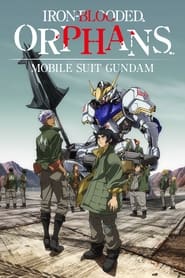 Mobile Suit Gundam: Iron-Blooded Orphans機動戦士ガンダム 鉄血のオルフェンズTV · E 50 · 2015
Mecha films
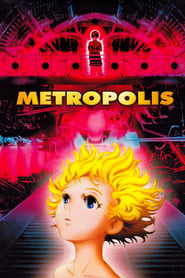 MetropolisメトロポリスMovie · 2001
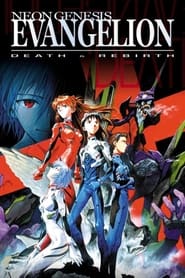 Neon Genesis Evangelion: Death and Rebirth新世紀エヴァンゲリオン劇場版 シト新生Movie · 1997
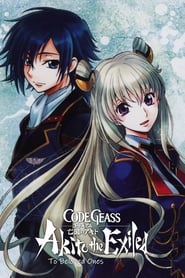 Code Geass: Akito the Exiled 5: To Beloved Onesコードギアス 亡国のアキト 第5章 最終章「愛シキモノタチへ」Movie · 2016
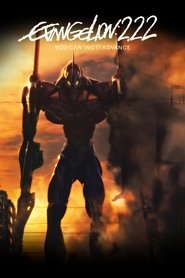 Evangelion: 2.0 You Can (Not) Advanceヱヴァンゲリヲン新劇場版:破Movie · 2009
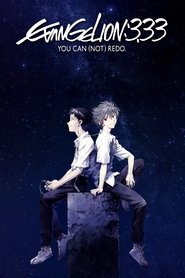 Evangelion: 3.0 You Can (Not) Redoヱヴァンゲリヲン新劇場版:QMovie · 2012
Top rated
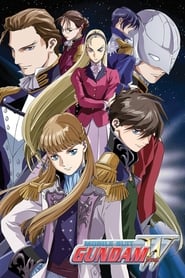 Mobile Suit Gundam Wing新機動戦記ガンダムWTV · E 49 · 1995
- Tekkaman Blade宇宙の騎士テッカマンブレードTV · E 49 · 1992
- Mazinger ZマジンガーZTV · E 92 · 1972
- Knights of Sidoniaシドニアの騎士TV · E 24 · 2014
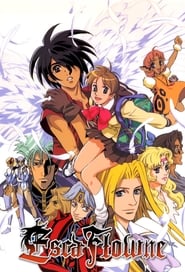 The Vision of Escaflowne天空のエスカフローネTV · E 26 · 1996
Mecha series
View more ›- TVEp 52Armored Trooper VOTOMS装甲騎兵ボトムズ
- TVEp 100Mobile Suit Gundam SEED機動戦士ガンダムSEED
- TVEp 78Aquarionアクエリオン
- TVEp 209MegaMan NT Warriorロックマン エグゼ
- TVEp 74Eureka Seven交響詩篇エウレカセブン
- TVEp 50TIGER & BUNNYTIGER & BUNNY
- TVEp 22Guilty Crownギルティクラウン
- TVEp 25Macross FrontierマクロスF
- TVEp 51Mobile Suit Victory Gundam機動戦士Vガンダム
- TVEp 26Den-noh Coil電脳コイル
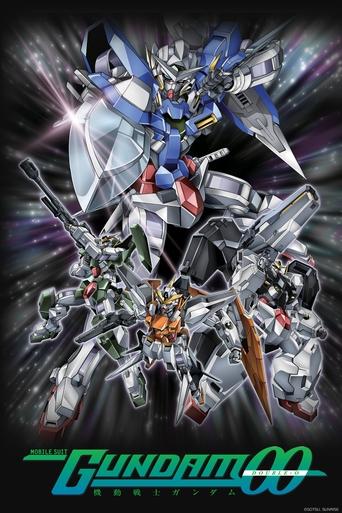 TVEp 50Mobile Suit Gundam 00機動戦士ガンダム00
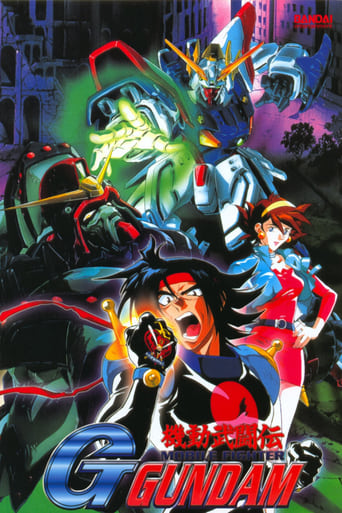 TVEp 49Mobile Fighter G Gundam機動武闘伝Gガンダム
Gundam
View more ›- TVEp 100Mobile Suit Gundam SEED機動戦士ガンダムSEED
- TVEp 51Mobile Suit Victory Gundam機動戦士Vガンダム
- TVEp 50Mobile Suit Gundam 00機動戦士ガンダム00
- TVEp 49Mobile Fighter G Gundam機動武闘伝Gガンダム
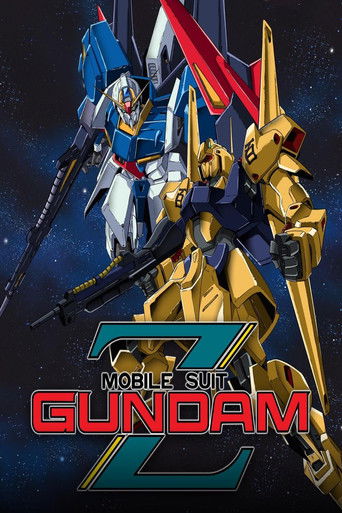 TVEp 50Mobile Suit Zeta Gundam機動戦士Zガンダム
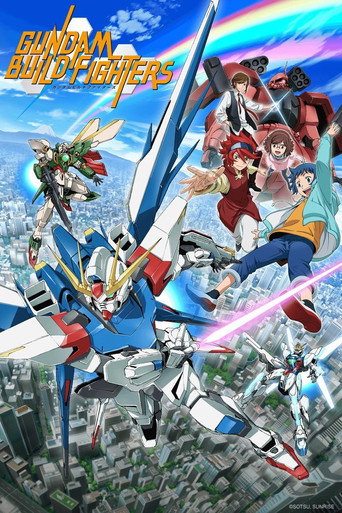 TVEp 50Gundam Build Fightersガンダムビルドファイターズ
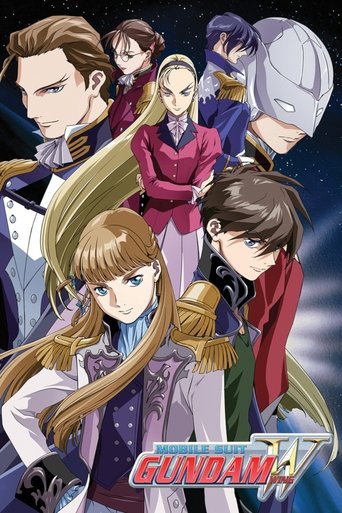 TVEp 49Mobile Suit Gundam Wing新機動戦記ガンダムW
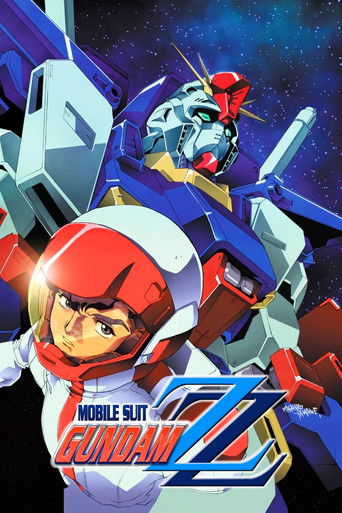 TVEp 47Mobile Suit Gundam ZZ機動戦士ガンダムZZ
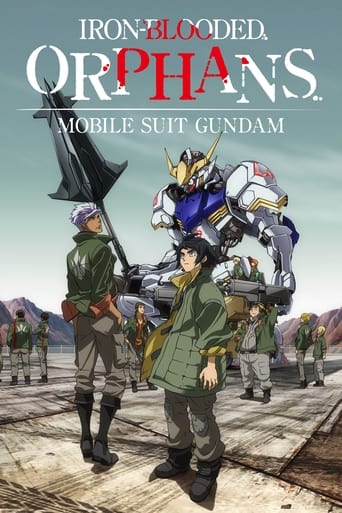 TVEp 50Mobile Suit Gundam: Iron-Blooded Orphans機動戦士ガンダム 鉄血のオルフェンズ
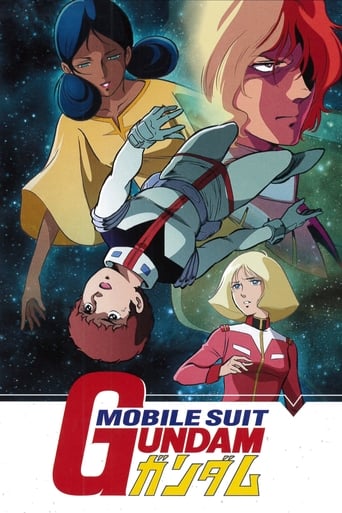 TVEp 43Mobile Suit Gundam機動戦士ガンダム
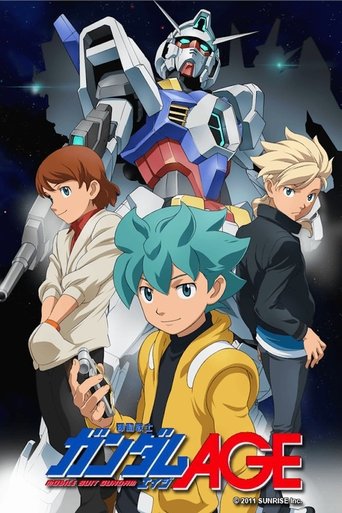 TVEp 49Mobile Suit Gundam AGE機動戦士 ガンダム AGE
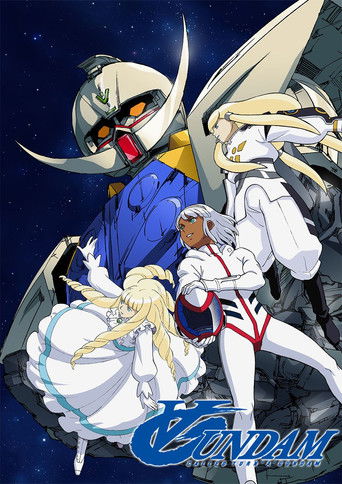 TVEp 50Turn A Gundam∀ガンダム
1972 to 1989
View more ›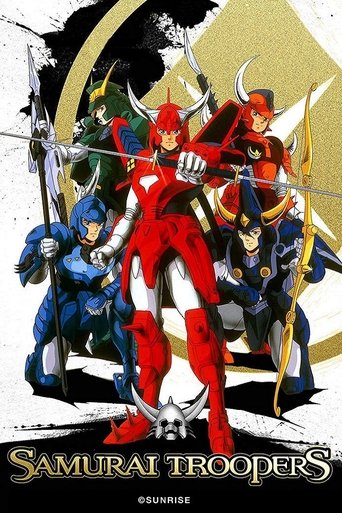
2010 onward
View more ›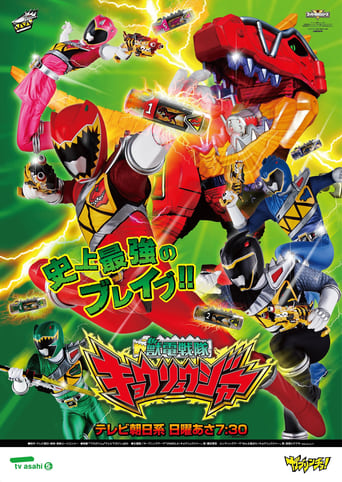

App, domains and help
View more ›- How to watch with An1meFrom the hangar to the launch.
- Mecha basicsSuper robots, real robots and everything between.
- Gundam on An1meWhere to start with the franchise.
- Macross on An1meTransforming fighters and pop songs.
- Super robots on An1meRocket punches and combining machines.
- Real robots on An1meSoldiers, mechanics and machines of war.
- Subtitles and dubsJapanese audio and more.
- The official An1me siteRecognising An1me.
- Is An1me working?A quick check and easy fixes.
- Where An1me titles streamThe official services behind the guide.
- Apps and devicesPhones, tablets, laptops and TVs.
- Free mecha animeLegal ways to watch at zero cost.
- Streaming safelyA short checklist.
- Finding a titleSearch in English or Japanese.
- My ListSaving titles and following series.
An1me: mecha and robot anime, from Mazinger Z and Mobile Suit Gundam to Macross, VOTOMS, Patlabor, The Big O and SSSS.GRIDMAN
An1me grew up as a busy anime site for Greek-speaking fans, with a dark indigo page, a playful wordmark with a pink number one, a row of trending shows marked with coloured rank tags and a switch that let visitors read titles in English or Japanese. The new An1me keeps that lively design and gives it a single passion: mecha, the giant robots, piloted war machines and transforming fighters that have been one of anime's defining genres for more than fifty years. It gathers mecha series and films from the super robots of the 1970s to the latest sagas, with a few live-action tokusatsu giants for good measure, and every title has a Watch now button that opens it on the official services in your country.
Mecha anime is about much more than robots. The best series use their machines to tell stories about war and peace, growing up, loyalty, loss and the relationship between people and the technology they build. A super robot can be a symbol of hope; a mass-produced mobile suit can show the cost of conflict; a transforming fighter can carry a love story across the stars. An1me is a friendly hangar tour through all of it, for newcomers and for pilots who have been watching since the first rocket punch.
The An1me design
The archived captures of an1me.to and an1me.io from late 2025 preserve the site's home page and its style sheets, built on a popular anime theme, and the design here is measured from them. The page is a deep indigo. Headings are a soft candy pink, and the rank tags on the trending cards come in bold blue, red, yellow and silver, just like the original's. A bright blue fills the My List button, and a vivid purple lights the banner button in the middle of the page. The typeface is Montserrat, clean and geometric, with heavy weights for the headings.
The wordmark spells an1me in heavy white letters with the one in pink, exactly as the original did, and the favicon is simply that pink one on an indigo tile.
The header and the title switch
The header stays at the top as you scroll. On the left are a menu button and the wordmark, which always leads home. Next comes a white search box with its own small Filters button, which opens the full search page, then the main links: Home, Series, Films, Gundam, Macross and the A-Z index. On the right sits a small switch marked EN and JP. It works just as it did on the original: choose JP and every card on the page shows its title in Japanese, choose EN and they switch back to English. A blue My List button completes the header. On a phone, the links and the search box fold into the menu button. The finding a title guide explains the search and filters.
Trending
Below a short introduction, the Trending row shows ten of the most popular titles on the shelves as tall cards that you can swipe sideways. Each card carries a square rank tag in its top corner: blue for number one, red for two, yellow for three and silver for the rest, as on the original. The title sits over a dark gradient at the bottom of the card, with the number of episodes or the word Movie and the year.
The shelves
Further down, the shelves show mecha series, the Gundam franchise, the classics of the 1970s and 1980s and the new generation since 2010. Each poster wears a pink tag reading TV or Movie in its top corner and, for series, a white tag with the number of episodes at the bottom, with the title and year beneath.
The title page
Each title has its own page with the poster, the English and Japanese titles, the year, the genres and the rating, followed by a short story summary and the voice cast. For series, every season is listed with all its episodes and their original air dates, and a tick beside each lets you log how far you have flown. Beside the poster, choose your country and press Watch now to see on JustWatch which official services carry it where you are. The how to watch guide explains each step.
Mechanics and crews
Behind every pilot stands a crew. Many mecha series give as much attention to the mechanics, officers, bridge crews and support staff as to the pilots, showing the teamwork needed to keep machines running and the friendships formed in hangars and mess halls. Some of the most beloved characters in the genre are chief mechanics with oil-stained overalls and grumbling captains with hearts of gold. These ensembles make mecha series feel like stories about communities as much as about battles.
Women in the cockpit
Mecha has a long history of memorable women pilots, commanders and engineers. Ace pilots, starship captains, brilliant scientists and singers whose voices can turn the tide of battle appear throughout the shelves, from the classic series of the 1980s to the newest stories, and several modern series place young women at the very centre of their stories. Their journeys, full of courage, doubt and determination, are among the most compelling in the genre.
Colonies, fleets and space
Many mecha stories take place in space: in rotating colony cylinders, aboard colossal fleets carrying whole cities, on moons and asteroids, and around distant planets. These settings give the genre its scale and its politics, as colonists fight for independence, fleets search for new homes and humanity learns to live far from Earth. The details of life in space, from artificial gravity to the view of Earth from a colony window, are often lovingly imagined, and they give the best series a strong sense of place.
The sound of machines
Sound designers have given mecha a vocabulary of their own: the whir of servos, the heavy thud of footsteps, the scream of thrusters, the hum of a reactor powering up and the distinctive sound effects that fans instantly associate with a particular series. Watching with good headphones or speakers brings these details to life and adds real weight to every launch and every battle.
Revisiting the classics
Older mecha series reward patience. Their animation may be hand-painted and their pace slower, but their stories, designs and music have lasted for decades for good reason. Many have been restored in high definition, and watching them today reveals how much of modern anime grew from their ideas. Pair a classic with a modern series it inspired, and you will see the conversation between generations that keeps the genre alive.
Thanks for flying with An1me
Whatever you choose, from a rocket punch in the 1970s to a transforming fighter singing across the galaxy, from a police labor on a Tokyo street to a teenage pilot in a war between worlds, the machines on An1me are ready to launch. Swipe the trending row, check the column lists, switch the titles to Japanese when you like, and keep your log in My List. Share your favourite series with friends, and enjoy every sortie.
The era of video releases
In the 1980s and early 1990s, many of the most ambitious mecha stories were released straight to video as original video animation, known as OVA. Free from the demands of weekly television, these short series could spend more time and money on each episode, telling tighter stories with richer animation for fans who bought or rented the tapes. Several of the most admired titles on the shelves began this way, and they remain a showcase for the craft of the era's animators and designers.
Transformation and combination
Two ideas define many mecha designs: transformation and combination. Transforming machines change from vehicles into robots, from fighter planes to walking battle suits, and fans love to follow every step of the change. Combining robots join several smaller machines into one giant, often in a lengthy, triumphant sequence set to music. Both ideas were born partly from the needs of toy makers, but they became part of the drama itself, turning each transformation into a moment of excitement and each combination into a symbol of teamwork.
Names and catchphrases
Super robot shows are famous for their shouted attack names, dramatic introductions and catchphrases, which fans love to quote. Real-robot sagas have their own memorable lines, delivered by rivals across a battlefield or by commanders on the bridge. These words become part of the culture around a series, repeated at conventions, printed on merchandise and borrowed by later shows as affectionate tributes. Hearing them in the original Japanese is part of the fun, and subtitles make them easy to follow.
A living legacy
Few genres have shown the staying power of mecha. Characters and machines created half a century ago still appear in new series, films, games and model kits, and each new generation of creators adds its own ideas. The shelves of An1me are a record of that living legacy, from the first piloted robot to the newest sagas, and every title is an invitation to join a story that is still being written.
A sense of scale
Mecha animators work hard to convey scale. A giant robot must feel enormous next to a human pilot, a city street or a mountain, and directors use low camera angles, slow movements, dust clouds and tiny figures in the foreground to make the size believable. When it works, a single step can shake the screen and a robot rising from a hangar can take your breath away. Noticing how each series handles scale is a fascinating way to appreciate the craft behind it.
Machines and responsibility
Many mecha stories ask what it means to hold great power. Pilots must decide when to fight and when to hold back, scientists must consider how their inventions will be used, and leaders must weigh victory against its cost. These questions give the genre a moral weight that has kept thoughtful viewers engaged for generations, and they make mecha anime a surprisingly rich starting point for conversations about technology, war and peace.
A mecha evening
For a mecha evening, pair a classic with a modern series: an episode of a 1970s super robot show followed by a recent series that pays tribute to it, or a Patlabor film followed by a modern thriller. Build a model kit while you watch, turn the sound up for the launch sequences, and let the music carry you into battle. The column lists and shelves on the home page make it easy to plan.
Using the collections
The collections are the quickest way to explore. Franchise shelves gather every Gundam, Macross, Evangelion, Code Geass and Patlabor title on the site; style shelves separate super robots from real robots; and era shelves let you travel from the 1970s to today. The young pilots shelf is full of lighter adventures for younger viewers, the tokusatsu shelf brings in live-action giants, and the top-rated shelf gathers the machines that audiences love most. Every shelf opens a full page with filters, so you can narrow the list by type, genre and year.
Sharing the hangar
Mecha is best enjoyed with fellow pilots. Watch a series with a friend and compare favourite machines, lend a model kit to a younger sibling, or introduce a parent to the classic series they may remember from their own childhood. Every shared launch makes the hangar a little livelier, and every conversation about a favourite battle keeps these wonderful machines flying for another generation of fans.
The super robots
The giant robot piloted from inside by a hero was born in 1972 with Mazinger Z, created by the manga artist Go Nagai. Its young pilot, Koji Kabuto, docks his small hover-craft into the head of a colossal robot built by his grandfather and fights the mechanical beasts of an evil scientist, calling out the names of his attacks as he launches them. The idea caught fire. Great Mazinger followed, and UFO Robot Grendizer became a phenomenon far beyond Japan, especially in France, Italy and the Arab world, where a whole generation grew up with it. Getter Robo, created by Go Nagai and Ken Ishikawa, introduced three vehicles that combine into different robots, an idea that countless series and toy lines would follow.
The super robot tradition has kept evolving ever since. Steel Jeeg and Dino Mech Gaiking brought new twists in the 1970s, and The King of Braves GaoGaiGar, from 1997, is often called the ultimate super robot show, full of fiery speeches and spectacular combinations. Gunbuster, from 1988, the directing debut of Hideaki Anno, begins as a school sports parody and becomes a moving space epic about time and sacrifice. More recently, SSSS.GRIDMAN and the film Promare, both from Studio Trigger, bring the genre's energy to a new generation. The super robot guide and the Super robots shelf gather twenty-six of them.
Mobile Suit Gundam
In 1979, the director Yoshiyuki Tomino and the studio Sunrise changed mecha forever with Mobile Suit Gundam. Instead of a single heroic robot, it imagined mass-produced war machines called mobile suits, used by both sides of a war between Earth and its space colonies, and a reluctant teenage pilot, Amuro Ray, thrown into the conflict. Its rival, the masked ace Char Aznable, became one of anime's great characters. The series was cut short on television but found a huge audience through the compilation films Mobile Suit Gundam I, Mobile Suit Gundam II: Soldiers of Sorrow and Mobile Suit Gundam III: Encounters in Space, and through plastic model kits that are still sold by the million.
The original timeline, called the Universal Century, continues in Mobile Suit Zeta Gundam, Mobile Suit Gundam ZZ and the film Mobile Suit Gundam: Char's Counterattack, and in beloved side stories such as Mobile Suit Gundam 0080: War in the Pocket, a short series about a boy who befriends a young enemy soldier, and Mobile Suit Gundam: The 08th MS Team. Alternate universes began with Mobile Fighter G Gundam, a tournament of national champions, and continued with Mobile Suit Gundam Wing, whose five pilots made the franchise famous in the West, Turn A Gundam, Mobile Suit Gundam SEED, Mobile Suit Gundam 00 and Mobile Suit Gundam: Iron-Blooded Orphans, about a company of child soldiers on Mars. Gundam Build Fighters turns the model kits themselves into the stars. The Gundam guide and the Gundam shelf gather fifty-two titles.
Macross: fighters and songs
In 1982, Super Dimension Fortress Macross brought an unforgettable idea to mecha: fighter planes that transform into robots, designed by the young Shoji Kawamori, and a war against giant aliens that is ultimately won by the power of a pop song. Its love triangle between the pilot Hikaru, the singer Lynn Minmay and the officer Misa Hayase made it as much a romance as a war story, and the film Macross: Do You Remember Love? retold it with lavish animation in 1984. Outside Japan, the series became the first part of Robotech, an American adaptation that joined three unrelated series into one saga and introduced many Western viewers to anime.
The saga continued for decades. Macross Plus, co-directed by Shinichiro Watanabe with music by Yoko Kanno, pits two rival test pilots against each other and against a virtual idol with a mind of her own. Macross 7 follows a rock singer who refuses to fire a weapon and fights with his guitar instead, Macross Frontier follows a young pilot caught between two singers aboard a colony fleet, and Macross Δ adds a troupe of singers who calm enemies with their songs. The Macross guide and the Macross and Robotech shelf gather thirteen titles.
Real robots
The success of Gundam inspired a wave of real-robot series in the 1980s that treated mecha as military equipment. Armored Trooper VOTOMS, directed by Ryosuke Takahashi, follows a lone soldier, Chirico Cuvie, through a galaxy of endless war, and its squat, disposable Armored Troopers are among the most influential designs in the genre. Takahashi's Fang of the Sun Dougram tells a story of colonial rebellion, and Blue Comet SPT Layzner follows young people caught between Earth and alien invaders. Tomino followed Gundam with Space Runaway Ideon, a dark and ambitious space saga, Combat Mecha Xabungle, a cheerful desert adventure, and Aura Battler Dunbine, which sends a motocross rider into a fantasy world of insect-like armoured knights.
Later real-robot series include Heavy Metal L-Gaim, Metal Armor Dragonar, Gasaraki and Broken Blade, and modern works such as Knights of Sidonia, whose humans live aboard a vast ship fleeing alien monsters, and Aldnoah.Zero, a war between Earth and a Martian empire. The real robot guide and the Real robots shelf gather them.
Patlabor
Patlabor imagines a near-future Tokyo where construction robots called labors are everywhere, and a special police unit uses patrol labors to deal with accidents and crimes involving them. Created by the collective Headgear, which included the director Mamoru Oshii and the designer Yutaka Izubuchi, it began with a series of video episodes, gathered here as Patlabor: Early Days, and continued with Patlabor: The TV Series. Oshii's films Patlabor: The Movie and Patlabor 2: The Movie are among the most admired anime films ever made, thoughtful thrillers about technology, politics and the city itself. Patlabor WXIII the Movie and the live-action The Next Generation Patlabor: Tokyo War complete the Patlabor shelf.
Evangelion and Code Geass
Two of the most famous mecha stories of all appear on An1me through their films. The Evangelion films, from Neon Genesis Evangelion: Death and Rebirth to the Rebuild of Evangelion series, retell and transform Hideaki Anno's landmark series about teenage pilots of giant bio-machines, with breathtaking animation and a very different path through the story. The Code Geass films retell the saga of Lelouch, an exiled prince who gains a mysterious power and leads a rebellion against an empire, and the five-part Code Geass: Akito the Exiled 1: The Wyvern Arrives and its sequels tell a separate story set in Europe. The Evangelion and Code Geass shelves gather them.
Stylish oddities
Some mecha series stand apart for their style. The Big O, from 1999, is set in Paradigm City, a metropolis whose inhabitants have lost their memories of the past, and follows Roger Smith, a suave negotiator who pilots a colossal black robot when negotiations fail; its look owes as much to film noir and classic superhero cartoons as to anime. The Vision of Escaflowne sends a schoolgirl to a fantasy world where armoured knights called guymelefs fight in the sky, with music by Yoko Kanno, and Eureka Seven mixes giant robots with surfing on waves of light. TIGER & BUNNY imagines superheroes in powered suits who wear sponsors' logos and compete for points on a reality show.
Mecha films
Mecha have given anime some of its most ambitious films. Oshii's Patlabor films, the Gundam compilations and the Macross films sit alongside Metropolis, a lavish retelling of an Osamu Tezuka manga with a screenplay by Katsuhiro Otomo, and Roujin Z, Otomo's satire about a robotic hospital bed that goes on a rampage through Tokyo. Appleseed and its sequels bring Masamune Shirow's cyborg soldiers to life in computer animation, and Voices of a Distant Star, made almost single-handedly by a young Makoto Shinkai, follows a girl who pilots a mecha ever deeper into space while her messages take years to reach the boy she left behind. The Mecha films shelf gathers eighty-one of them.
Tokusatsu giants
Japan's live-action special-effects tradition, called tokusatsu, has its own giant robots. Japanese Spiderman, a 1978 Toei series that reimagined the Marvel hero with a giant robot called Leopardon, inspired the giant robots that became a signature of the Super Sentai team shows, including Dengeki Sentai Changeman, Mahou Sentai Magiranger and Zyuden Sentai Kyoryuger. Several Super Sentai seasons were adapted abroad as Power Rangers. Giant God Warrior Appears in Tokyo is a short film from the makers of Evangelion and Shin Godzilla, a model-work tribute to the great special-effects tradition. The Tokusatsu giants shelf gathers them.
Young pilots
Many viewers first met mecha through series made for younger audiences. Voltron: Defender of the Universe, an American adaptation of Beast King GoLion, combined five robot lions into one giant defender, Zoids: New Century follows teams battling with mechanical animals, and MegaMan NT Warrior brings a video-game hero to a world of networked computers. Ronin Warriors features young heroes in mystical armour, and HEROMAN, created with Stan Lee, follows a boy whose toy robot becomes a giant hero. The Young pilots shelf gathers fifteen of them.
Cyborgs and virtual worlds
Mecha stories reach well beyond giant robots. The Cyborgs and science fiction shelf gathers stories of androids, cyberpunk cities and virtual worlds: Bubblegum Crisis, whose Knight Sabers fight rogue androids in a neon MegaTokyo, Den-noh Coil, about children exploring a city layered with augmented reality, Texhnolyze, a haunting tale of an underground city, Robotics;Notes, about a high-school robotics club, and Expelled from Paradise, in which a digital agent is sent into a physical body on a ruined Earth.
Subtitles, dubs and Japanese titles
The official services offer English subtitles for almost every mecha series and film, and many add Greek, Spanish, Portuguese, French, Italian and other languages, depending on the platform and the country. Classic series often have well-known dubs as well, some of them beloved in their own right. The EN/JP switch in the header changes the titles on every card between English and Japanese, and the search box understands both. The subtitles guide explains how to switch audio and subtitle tracks.
How Watch now works
Next to the poster on each title page you will find a country list and a Watch now button. Pick your country, press the button, and JustWatch opens with the official services that carry the title there, sorted into subscriptions, free services with adverts, and places to rent or buy. Choose one to start watching in its own app or website, and An1me will remember the country you picked. The how to watch guide covers every step.
The services behind the guide
Mecha anime streams on a mix of specialist and general services. Crunchyroll and HIDIVE carry large anime libraries, the official Gundam channels have streamed many series for free in several regions, and Netflix, Prime Video and Disney+ carry a selection of series and films. Films are often available to rent or buy from Apple TV, Google TV and Prime Video. The where titles stream guide introduces them, and Watch now always shows the current options for your country.
Free ways to watch
There are good legal ways to watch mecha at zero cost. Studios and rights holders regularly stream classic series on their official video channels, sometimes a full series at a time, and free services with adverts such as Tubi and Pluto TV carry anime in many countries. Press Watch now to see the free options where you live. The free mecha anime guide has more.
Apps and devices
An1me works in any modern browser, on phones, tablets and computers, and it can be pinned to a phone's home screen. Episodes play in each service's official app, available for Fire TV, Google TV, Apple TV, Roku, games consoles and smart televisions. Mecha battles deserve a big screen and a good sound system. The apps and devices guide explains more.
My List for long campaigns
Some mecha series run for fifty episodes or more, and franchises like Gundam span dozens of series and films. My List keeps your campaign on track: add titles from their pages and tick episodes as you finish them, whether you are working through Mobile Suit Gundam SEED or the original Mazinger Z. The list lives in your own browser, private to you, and the Export and Import buttons move it between devices. The My List guide explains every button.
The official An1me site
The real An1me has a dark indigo page, the an1me wordmark with its pink one, a white search box with a Filters button, the EN/JP switch, numbered trending cards with blue, red, yellow and silver rank tags, a purple banner button and pink headings over its column lists. Every Watch now button leads to JustWatch, and from there to the official services. The official site guide describes the design.
Streaming safely
A few habits keep streaming secure. Get apps from official stores only, protect every service with its own strong password and two-step sign-in, and check the address bar for the real service name before paying. An1me links only to JustWatch, and JustWatch links only to official services. The safety guide lists the steps.
Is An1me working?
To check the site, open the home page and then any title; if both appear, An1me is online. A reload, a cleared cache or another browser usually fixes slowness, and questions about playback go to the streaming service that plays the episode. The site status guide has the checklist.
Privacy
An1me keeps My List, your country and your episode ticks in your own browser, and clearing your browser data clears them. The site loads posters from TMDB, the Montserrat typeface and a small script for search and My List. The privacy page gives the details.
How the catalogue is chosen
Every title on An1me was picked by hand. The shelves hold mecha and robot anime series and films from 1972 to 2025, with a handful of live-action tokusatsu giants, chosen for their quality, their popularity and their place in the history of the genre. Each title was screened individually, and the guide leaves fan-service-led, ecchi, sex-led and gore-led titles to other corners of the web. Titles already on the other anime guides of the Claude V2 family stay with them, so each site keeps its own character. Posters and production details come from TMDB.
The story of An1me
The name An1me belonged to a lively anime site for Greek-speaking fans, with a pink number one in its wordmark, colourful rank tags on its trending shows and a switch between English and Japanese titles. Its pages are preserved in the web archive, and they gave the new An1me its look. The new An1me is an independent guide to mecha and robot anime, written in English for viewers everywhere, including its original home in Greece and Cyprus, and it points every visitor to the official services.
Your first visit
On your first visit, flick through the Trending row, then look at the four column lists to see the top super robots, real robots and films. If you know what you want, search for it, and use the EN/JP switch if you remember a title in Japanese. Save anything that catches your eye to My List, and when you are ready, press Watch now.
The art of mechanical design
Mecha anime gave rise to a distinctive profession: the mechanical designer. Artists such as Kunio Okawara, who designed the original Gundam, Shoji Kawamori, who created the transforming Valkyries of Macross, and Yutaka Izubuchi, whose labors defined Patlabor, balanced engineering logic, dramatic silhouettes and the needs of toy makers. Their designs are studied, collected and rebuilt as model kits by fans around the world, and the shapes of their machines are as recognisable as the faces of the characters who pilot them.
Two schools of mecha
Fans often divide mecha into two great schools. Super robots are unique, heroic machines, usually built by a brilliant scientist and piloted by a hot-blooded young hero, and their battles are larger than life, with named attacks, transforming weapons and robots that combine into ever-bigger forms. Real robots are mass-produced tools of war, maintained by mechanics, limited by fuel and ammunition, and piloted by soldiers who can be wounded or killed. Many of the best series mix the two, and the mecha basics guide explains the difference with examples from the shelves.
The 1970s: the age of heroes
The first decade of piloted robots was an age of pure heroism. Each week, a monster or mechanical beast attacked, and the hero launched from a secret base, fought, called out a finishing attack and saved the day. These series were bright, loud and made for children, and many were sponsored by toy makers who turned the robots into die-cast figures. Yet they also created the basic grammar of the genre: the launch sequence, the combination, the dramatic entrance and the bond between a pilot and a machine. Watching them today is a joyful trip into the origins of a whole art form.
The 1980s: war and politics
The 1980s brought a new seriousness. Following the success of Gundam, studios made series about wars with morally complex sides, political intrigue, refugees and the cost of fighting. Video releases allowed more ambitious stories told over a handful of lavish episodes, and science-fiction films aimed at older audiences filled cinemas. At the same time, the transforming fighters of Macross and the stylish designs of the decade influenced toys, films and comics around the world. It was, many fans agree, the richest decade in the genre's history.
The 1990s and 2000s: reinvention
In the 1990s, mecha reinvented itself again. Studios experimented with psychological drama, fantasy worlds, film noir and hot-blooded parody, and a new generation of alternate-universe Gundam series introduced the franchise to viewers meeting it for the first time. In the 2000s, digital animation made mechanical battles faster and more intricate, and long-running sagas reached audiences around the world through television and home video. Series from these decades are gathered on the 1990 to 2009 shelf.
Mecha today
Since 2010, mecha anime has continued to evolve. Computer-generated robots now sit alongside hand-drawn characters, studios revive classic franchises with new stories, and streaming services release new series to audiences worldwide on the same day as Japan. Modern series explore the genre's classic themes, war, identity and the bond between people and machines, with fresh eyes, and new creators pay loving tribute to the super robots of their childhood. The 2010 onward shelf gathers the newest titles.
Model kits and toys
Toys and models have always been part of the story of mecha. Many classic series were created in partnership with toy makers, and plastic model kits of mobile suits, known to fans as Gunpla, have become a global hobby with their own shops, competitions and even their own anime series about building and battling models. Building a kit of a favourite machine while watching its series is one of the great pleasures of mecha fandom, and many fans say it gave them a new appreciation for the design work behind every robot.
Pilots and coming of age
At the heart of most mecha series is a young pilot, often a teenager thrown into a war or a crisis thrust upon them. Their journey from reluctance to responsibility gives the genre its emotional core, and many series explore what fighting does to a young person, from the loss of friends to the burden of leadership. Rivals are just as important: the masked ace, the brilliant enemy pilot and the friend on the other side of the war are some of anime's most memorable characters. Watching a pilot grow over a long series is one of the most rewarding experiences mecha can offer.
Music and mecha
Music plays a special role in mecha anime. Heroic theme songs with soaring choruses launched many classic super robot shows, and some series make music part of the story itself, with singers whose songs can end a war. Composers such as Yoko Kanno have written scores that range from jazz and rock to orchestral grandeur and electronic textures, and many mecha soundtracks are celebrated as albums in their own right. Listening closely to the music is a fine way to feel the mood of each series.
Drawing machines in motion
Animating a giant robot by hand is one of the hardest jobs in anime. Mechanical animators must keep every panel and joint consistent as the machine moves, fires and transforms, and the best of them became legends. The famous swirling missile barrages of the 1980s, with dozens of rockets weaving through the sky, became known by the name of the animator who perfected them, Ichiro Itano. Today, computer animation handles much of the mechanical work, but many fans still treasure the hand-drawn battles of the classic era for their weight and energy.
Mecha around the world
Mecha anime has had a huge influence outside Japan. Classic super robot shows became beloved in Europe, the Middle East and Latin America in the late 1970s and 1980s, American adaptations brought transforming fighters and combining lions to Western television, and Hollywood films and Western animation have borrowed the genre's giant robots and piloted suits. Viewers in Greece, Italy, France and many other countries grew up with dubbed mecha series, and the fandom remains strong around the world today.
Watching a big franchise
Long franchises can seem daunting, but there are easy ways in. For Gundam, many fans start with the original series or its compilation films, while others prefer a standalone alternate universe that starts fresh. For Macross, the original series or its film is a natural starting point, though each later series introduces its own cast. Patlabor can be enjoyed through the films alone. When in doubt, pick a series that sounds appealing and let it lead you to the rest.
Choosing by mood
Choose a super robot series for pure excitement, with named attacks and triumphant music. Choose a real-robot saga for a thoughtful war story with political intrigue. Choose a Macross series for romance and songs, a Patlabor film for a clever thriller, or a stylish oddity for something completely different. The shelves and column lists on the home page make it easy to follow your mood.
A tour of the hangar
Think of the An1me shelves as a hangar full of machines from every era. Near the entrance stand the gleaming super robots of the 1970s, their chests emblazoned with emblems and their fists ready to fly. Further in, rows of olive-green mobile suits and squat armoured troopers wait for their pilots, scuffed and repainted from years of service. In one corner, transforming fighters fold their wings, and in another, police labors stand ready to direct traffic or stop a runaway construction machine. At the back, sleek modern designs rendered in computer graphics sit beside the monsters and heroes of tokusatsu. Every machine has a story, and every story is a click away.
What makes a great battle
A great mecha battle is more than explosions. The best fights have clear stakes, a sense of weight and scale, and a strategy that the audience can follow, whether it is a duel between rival aces, a desperate defence of a colony or a last stand against impossible odds. Sound design, music and editing all play their part, and so do the quiet moments before and after the fight, when pilots prepare, worry and reflect. The most memorable battles in mecha are remembered for what they mean to the characters as much as for what they look like.
Themes that endure
Across fifty years, mecha anime has returned again and again to a handful of themes: the horror and futility of war, the responsibility that comes with power, the gap between generations, the bond between people and the machines they build, and the hope that understanding between enemies is possible. These themes give the genre its depth, and they explain why series made decades ago still feel relevant today. Watching old and new side by side shows how each generation of creators has wrestled with the same questions.
A worldwide community
Mecha fans form one of the most passionate communities in anime. They build model kits, debate the realism of mobile suit physics, collect soundtracks, cosplay as pilots and gather at conventions around the world. Video games that bring together robots from many different series have introduced new generations to the classics, and online communities share guides, artwork and watch orders. Whatever your level of interest, there is a place for you in the hangar.
Your first sortie
If mecha is new to you, start with a single film or a short series of a dozen episodes, such as a Patlabor film, Gunbuster or a Gundam side story, to get a feel for the genre. If you enjoy it, move on to a longer series and follow its characters through a whole war. Keep your campaign in My List, switch titles to Japanese when you want to practise reading, and let the column lists on the home page suggest your next machine.
Questions
What is An1me?
An1me is a guide to mecha and robot anime, from the super robots of the 1970s to Gundam, Macross, Patlabor and the latest series, with a Watch now button for every title that opens it on the official services in your country.
What is mecha?
Mecha is the anime genre of giant robots and piloted machines, from heroic super robots to realistic military mobile suits.
How do I watch a series?
Open the title page, choose your country and press Watch now. JustWatch opens with the official services that carry it where you live.
What does the EN/JP switch do?
It changes the titles on every card between English and Japanese.
Where should I start with Gundam?
The original Mobile Suit Gundam, its compilation films, or a standalone series such as Gundam Wing or Iron-Blooded Orphans.
Which series should I start with?
Mobile Suit Gundam, Super Dimension Fortress Macross, Patlabor, The Big O and Gunbuster are superb first choices.
Are there subtitles in Greek?
Many services offer Greek subtitles for popular series; check each service after pressing Watch now.
How do I keep track of long series?
Add the series to My List and tick the episode you reached. Your place is kept in your browser.
Can I move My List to another device?
Yes. Export My List to a small file, then import it on the other device.
Where do the posters and details come from?
Posters and production details come from TMDB, and the guides and descriptions are written for An1me.